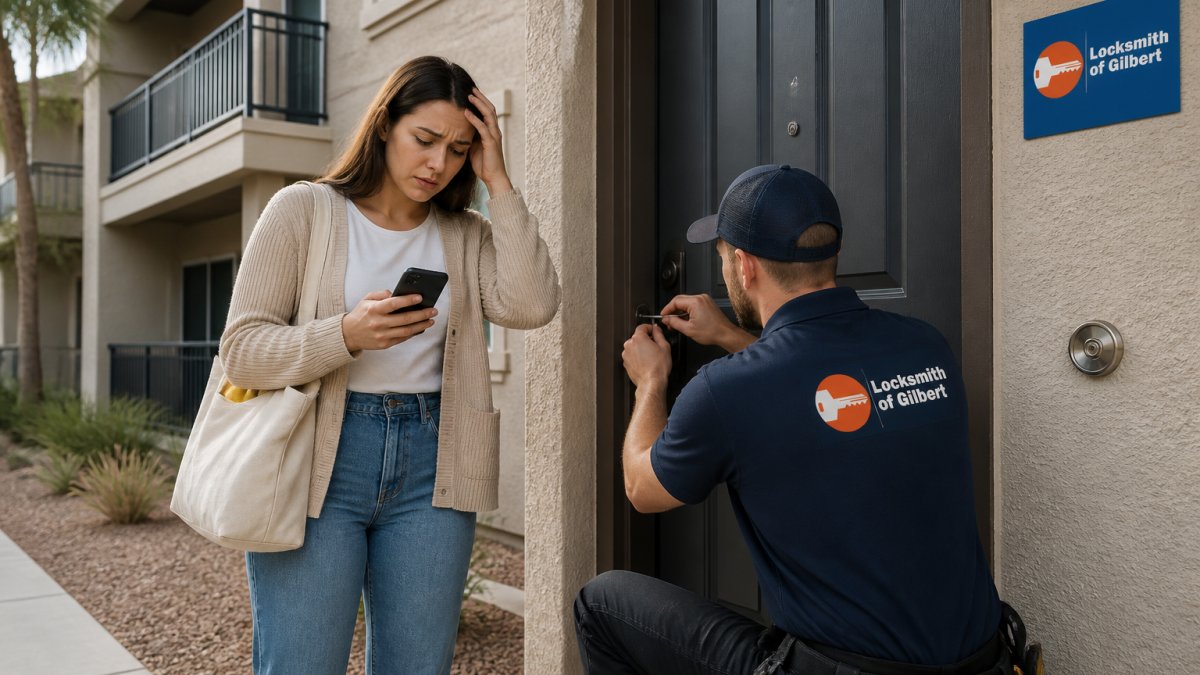
 how-to
Emergency House Lockout Service for Renters: A 2026 Guide
Table of Contents
- What to Do When Locked Out of an Apartment
- Should You Call Your Landlord or a Locksmith When Locked Out
- How Long Does a Locksmith Take to Unlock a Door
- Locksmith Proof of Residency Requirements
- Emergency House Lockout Service: What to Expect
- Alternatives to Calling a Locksmith
- How to Prevent Future Lockouts
- Frequently Asked Questions
Last Updated: October 5, 2026
What to Do When Locked Out of an Apartment
Getting locked out of your apartment is stressful, especially when you don't know where to turn for an emergency house lockout service for renters. As a renter, you have different options than a homeowner, and knowing which steps to take first can save you time and money. An emergency house lockout service for renters requires a specific approach because you may not have the authority to modify the lock yourself. Before you call anyone, there are immediate actions you can take.
Start by checking whether you can access your apartment through another entry point. This sounds obvious, but many renters overlook it in a panic.
Check for Unlocked Entry Points
Walk around your apartment and test every door and window you can safely reach. A bathroom window, sliding door, or side entrance might be unlocked. If you live on a higher floor, skip this step for safety reasons. If you find an open window or door at ground level, use it to get back inside. This takes minutes and costs nothing.
Check with neighbors or building staff before attempting any entry. They may have already seen an open access point or have a master key available. Many apartment buildings keep spare keys for emergencies, and staff can sometimes let you in without requiring a locksmith visit.
Contact Building Staff or Your Leasing Office
Your leasing office or building management is your first call. This is faster and cheaper than calling a locksmith. Most apartment complexes have a 24/7 emergency line or an on-site manager who can unlock your door. Call the main leasing office number first.
When you call, have your apartment number and ID ready. Building staff will verify that you actually live there before unlocking the door. This verification protects both you and the property. If the office is closed, the voicemail should direct you to an emergency number. Some buildings charge a small fee for after-hours lockout assistance, but it's typically less than a locksmith call.
If building staff cannot help, that's when you move to the next option.
Should You Call Your Landlord or a Locksmith When Locked Out
The decision between calling your landlord and hiring a locksmith depends on several factors. Your lease, the time of day, and the urgency of the situation all matter. Understanding when each option makes sense prevents unnecessary costs and delays.
When Your Landlord or Property Manager Can Help
Your landlord or property manager should be your second call if building staff cannot assist. Many landlords keep spare keys or can authorize entry quickly. Check your lease for their contact information and emergency procedures.
If your landlord caused the lockout, for example, they changed the locks without notice, they are typically responsible for the cost of emergency entry. Local tenant rights vary, so check your state's renter protections. If the lockout happened because you lost your key, the cost usually falls on you as the tenant.
Landlords can sometimes let you in the same day, especially if they live nearby or have a property manager on-site. This is your cheapest option when available. However, if your landlord is unreachable or out of state, you'll need to call a locksmith.
When You Need an Emergency Locksmith
Call a locksmith when building staff and your landlord cannot help, or when you need immediate entry. Locksmiths can unlock your door safely and quickly, usually within 30 minutes to an hour depending on your location.
Choose a licensed locksmith with positive reviews and transparent pricing. Ask for a quote over the phone before they arrive. Reputable locksmiths provide upfront pricing estimates and explain what they'll charge for labor and any parts. Avoid locksmiths who won't quote a price in advance, this is a red flag for inflated bills.
At Locksmith Of Gilbert, we understand the urgency of a lockout situation. Our 24/7 service means you can reach us at any hour, whether it's 2 AM on a Sunday or during business hours. We verify your residency before unlocking your door, which protects both you and your property.
How Long Does a Locksmith Take to Unlock a Door
A professional locksmith typically arrives within 30 minutes to an hour of your call, depending on demand and your location. The actual unlocking process usually takes 5 to 15 minutes.
Response time varies by time of day. During business hours on weekdays, locksmiths often arrive faster because they have more availability. Late-night and weekend lockouts may have longer wait times. When you call, ask the dispatcher for an estimated arrival window.
The unlocking itself is quick for experienced locksmiths. They use techniques like lock picking or non-destructive entry methods that don't damage your lock or door. This matters because you'll keep using that lock after the locksmith leaves, and your landlord won't charge you for damage caused by professional entry.
Locksmith Proof of Residency Requirements
Before a locksmith unlocks your door, they'll verify that you actually live there. This protects both the locksmith and your property. As a renter, you'll need to prove residency in a specific way.
What Documentation You'll Need
Have one of these documents ready when the locksmith arrives:
- A current lease agreement or rental contract with your name and address
- A utility bill (electric, gas, water) showing your name and address
- A government-issued ID with your current address
- A recent bank or credit card statement with your address
- A mail piece from your landlord or property manager confirming your residency
Most locksmiths need only one document. Bring whichever is easiest to access. If you're locked out, you may not have immediate access to your documents, so call the locksmith and explain what you have available. They'll let you know if it's acceptable before they arrive.
Identity Verification and Authorization
The locksmith will ask for your government-issued ID to match your name with the lease or other proof of residency. This is standard practice and protects against unauthorized entry. You'll also need to confirm that you have the right to be in the apartment. If you're a guest or subletting, the locksmith may ask to speak with the tenant of record.
Some locksmiths may contact your landlord or building management to confirm your residency, especially during late-night hours. This adds a few minutes but ensures everyone's liability is clear. Authorization checks are more common for after-hours lockouts because the risk of unauthorized entry is higher.
Emergency House Lockout Service: What to Expect
When you call an emergency locksmith, knowing what to expect reduces stress and helps you prepare. The process is straightforward once you understand the steps.
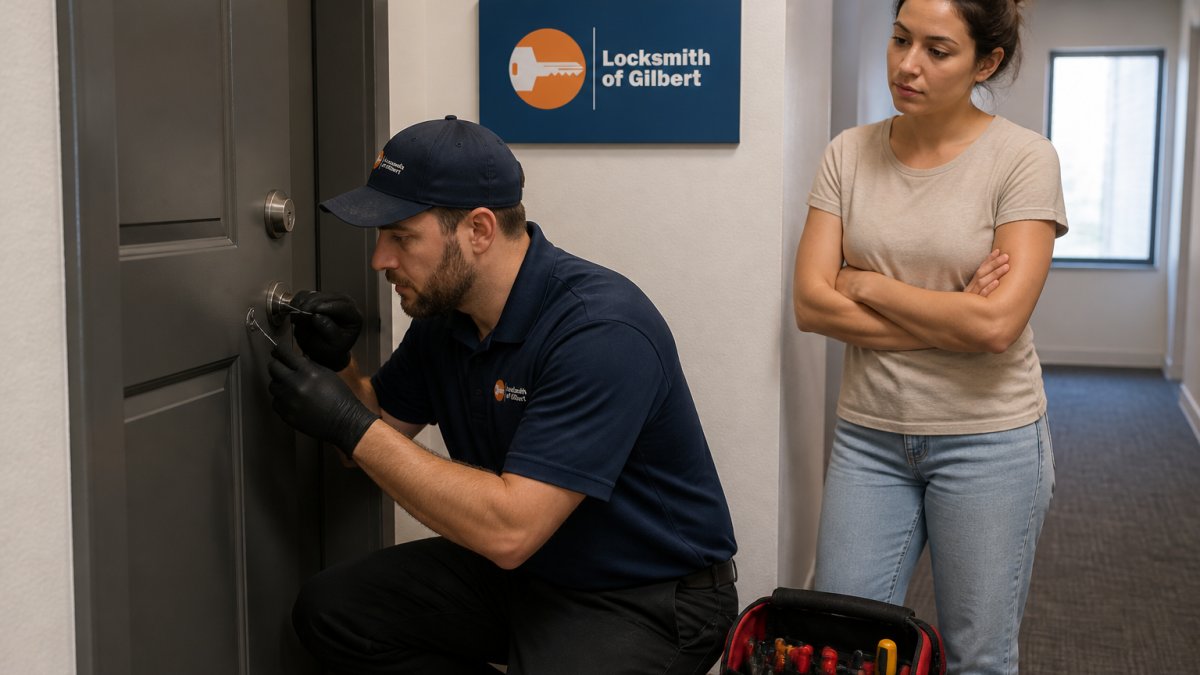
24/7 Availability and Rapid Response
Licensed locksmiths operate around the clock because lockouts happen at any hour. You can call at 3 AM on a holiday and reach someone. When you call, provide your address, apartment number, and phone number. The dispatcher will ask how you were locked out and whether you have proof of residency available.
Most locksmiths aim to arrive within the timeframe they quoted. If they're running late, they'll call you with an update. Reputable services track their technicians and give you real-time information rather than leaving you guessing. Once the locksmith arrives, they'll verify your identity and residency before beginning work.
Safe, Non-Destructive Entry Methods
Professional locksmiths use techniques that preserve your lock and door. Lock picking is the most common method for apartment doors. It requires skill and specialized picks, but it doesn't damage anything. If lock picking doesn't work, the locksmith may use a bump key or other non-destructive technique.
Drilling the lock is a last resort and typically happens only if other methods fail. Drilling destroys the lock, so you'll need a replacement. Locksmiths always explain this before drilling and give you the option to approve the cost of a new lock.
After entry, the locksmith will test the lock to ensure it still works properly. If they had to drill it, they'll remove the broken lock and may recommend a replacement. This is a good time to ask about rekeying your lock if you've had security concerns.
Alternatives to Calling a Locksmith
Before spending money on a locksmith, explore these lower-cost options that work for many renters.
Spare Key Arrangements
The best prevention is having a spare key stored with someone you trust. Give a spare to a family member, close friend, or neighbor who lives nearby. When you're locked out, you can retrieve it without paying for a locksmith.
Some renters store a spare key in a secure lockbox outside their apartment. This is riskier than giving a key to someone you trust, but it's better than having no backup. Never hide a key under a doormat, planter, or other obvious location. Burglars know these spots.
If you rent frequently or travel often, consider asking your landlord to keep a spare key on file. Many landlords do this as a courtesy. This way, if you're locked out, the landlord can let you in without calling a locksmith.
Building Staff Assistance
As mentioned earlier, building staff or property managers often have master keys. They can let you in faster and cheaper than a locksmith. Build a relationship with your building staff, knowing them by name and showing respect makes them more willing to help in emergencies. If you're locked out frequently, staff may eventually charge a fee, but the first or second time, many will help at no cost.
Some buildings have a formal lockout policy that specifies fees and procedures. Ask your leasing office for this policy when you sign your lease. Knowing the rules in advance prevents surprises.
How to Prevent Future Lockouts
The best strategy is preventing lockouts before they happen. These habits reduce the chances of being locked out again.
Develop a routine for checking that you have your keys before leaving your apartment.
Make copies of your keys and distribute them to trusted people. A family member, best friend, or neighbor can keep a spare. This creates a backup without requiring landlord involvement.
Consider upgrading to a keypad or smart lock if your lease allows it.
Test your keys before leaving home for extended periods. If you're going on vacation, make sure your key works and that someone has a spare.
If you lose keys frequently, talk to your landlord about a rekeying arrangement. Rekeying changes the lock's internal mechanism so old keys no longer work.
Getting locked out of your apartment is frustrating, but you have options that don't require expensive emergency services. At Locksmith Of Gilbert, we provide 24/7 emergency lockout assistance for renters with identity verification and safe, non-destructive entry methods.
Frequently Asked Questions
What should you do when you're locked out of your apartment?
First, check for unlocked windows or doors. Next, contact your building staff, leasing office, or property manager, they often have master keys and can let you in quickly. If no one is available and you need immediate access, call an emergency locksmith. Have your ID and lease or rental agreement ready to verify your residency. Avoid forcing entry yourself, as this can damage the lock or door.
Should you contact your landlord or an emergency locksmith first?
Contact your landlord or property manager first during business hours. They may be able to let you in at no cost. If it's after-hours, your building staff may have emergency protocols. If neither is available or the situation is urgent, call an emergency locksmith. A professional locksmith provides 24/7 service and can verify your proof of residency before entering your apartment.
How long does a locksmith take to unlock a door?
Most emergency locksmiths arrive within 30-45 minutes in urban areas, depending on current demand and traffic. Once on-site, unlocking a standard residential door typically takes 5-15 minutes using non-destructive entry methods. Response time varies by location and time of day, late-night calls may take longer. Always ask for an estimated arrival time when you call.
What proof of residency do locksmiths require?
Locksmiths typically ask for government-issued photo ID and verification that you live at the address, such as a lease agreement, rental contract, or utility bill in your name. Some may also verify your information with the property manager or landlord before proceeding. This protects both you and the locksmith by confirming you have authorization to enter. Have these documents ready when the locksmith arrives.