 comparison
Transponder Key Programming vs. Dealership Prices
Table of Contents
- Transponder Key Programming: Locksmith vs. Dealership Overview
- Transponder Key Programming Cost Breakdown
- Locksmith vs. Dealership Car Key Replacement: Key Differences
- Transponder Key Programming Time: What to Expect
- OEM vs. Aftermarket Car Keys: Which Should You Choose
- When to Choose a Locksmith Over the Dealership
- Questions to Ask Before Booking Transponder Key Programming
- Frequently Asked Questions
Last Updated: October 18, 2026
Transponder Key Programming: Locksmith vs. Dealership Overview
When your car key stops working or you lose your only spare, you choose between the dealership and a locksmith.
Transponder key programming teaches your vehicle's immobilizer to recognize a replacement key. The key's microchip communicates with your car's computer, and without proper programming, even a perfectly cut key won't start the engine.
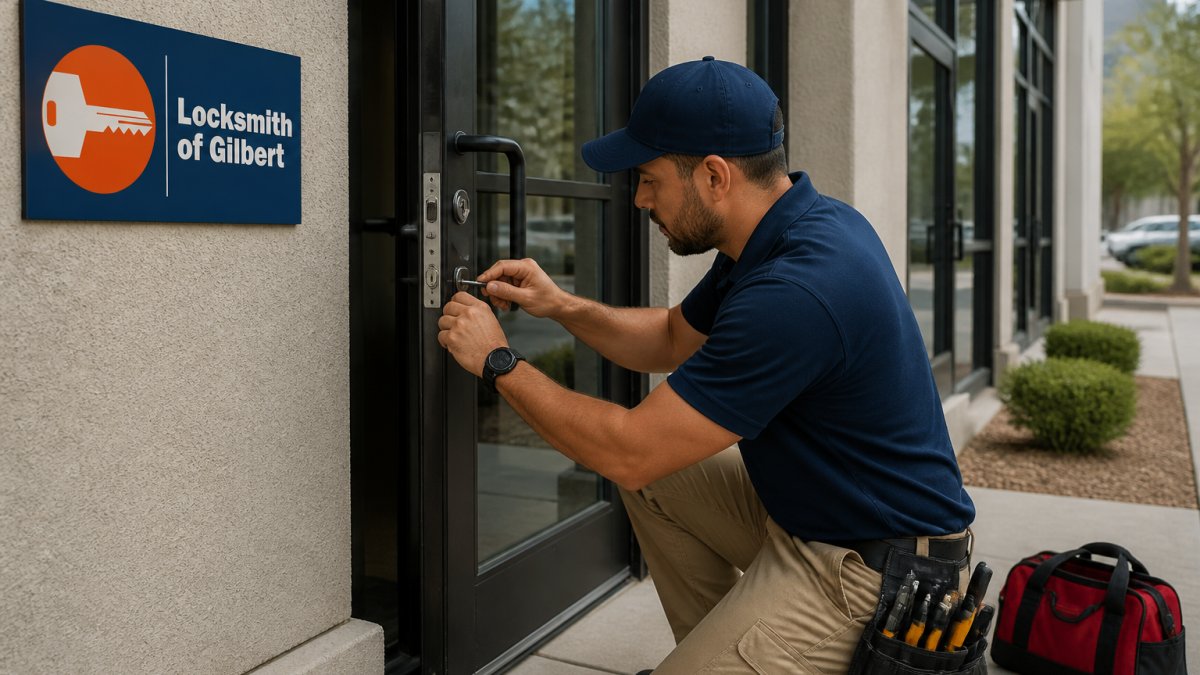
The locksmith advantage is convenience and speed: a qualified automotive locksmith arrives at your location and programs the key on-site, often within hours.
At Locksmith Of Gilbert, we've handled transponder key programming jobs across the eastern valley, often for customers facing dealership waits of days or premium emergency fees.
Transponder Key Programming Cost Breakdown
The total cost of transponder key programming depends on the vehicle make and model, whether you're adding a spare or replacing all keys, the key type, and who performs the work. To compare quotes fairly, separate the key itself from labor and service charges.
What Affects Programming Fees
Vehicle make and model is the primary cost driver. Some vehicles have straightforward procedures; others require specialized diagnostic equipment.
Key type matters: a basic remote key fob costs less than a proximity key or one with an integrated transponder chip.
All keys lost versus adding a spare creates different pricing. With all keys lost, the technician must reprogram the immobilizer from scratch.
Mobile versus location-based service affects the bill. Mobile locksmiths charge for travel and equipment transport; a fixed location may cost less but loses the convenience of on-site programming.
Diagnostic equipment and labor are the largest cost components.
A Like-for-Like Price Comparison Framework
Most online sources give broad ranges without separating components. Break any quote into four lines:
- Key cost - the blank key or fob itself. OEM keys from a dealership parts department are typically the most expensive; aftermarket keys from a locksmith are usually less.
- Cutting fee - cutting the physical blade to your vehicle's lock. Some providers include this in the programming fee; others list it separately.
- Programming fee - the labor to teach the immobilizer to recognize the new key. This varies by vehicle and by whether you're adding a spare or replacing all keys.
- Service call or mobile fee - the charge for the technician to come to you. Dealerships don't charge this because you bring the vehicle to them, but you pay in travel time and possibly towing.
Ask the provider to itemize these four lines; a single lumped number makes comparison impossible.
Typical Price Patterns by Situation
While exact prices vary by region and vehicle, common patterns emerge:
- Adding a spare with a working original: The least expensive scenario. The vehicle already recognizes an authorized key, so many locksmiths charge a lower programming fee than for an all-keys-lost job.
- All keys lost: Requires erasing the memory of lost keys and programming from scratch. Expect higher labor and, if the vehicle can't be moved, a mobile fee or towing cost.
- Proximity keys and push-button start: More complex electronics often require more expensive equipment. Expect to pay more than for a basic transponder key.
- Luxury and newer vehicles: Some manufacturers restrict programming software, limiting which locksmiths can work on the vehicle. Dealerships may be the only option for certain makes and model years.
Locksmith vs. Dealership Car Key Replacement: Key Differences
Locksmiths and dealerships approach transponder key programming with different tools, timelines, and service models.
Dealerships use manufacturer-specific equipment that connects directly to your vehicle's computer, ensuring compatibility and handling complex scenarios.
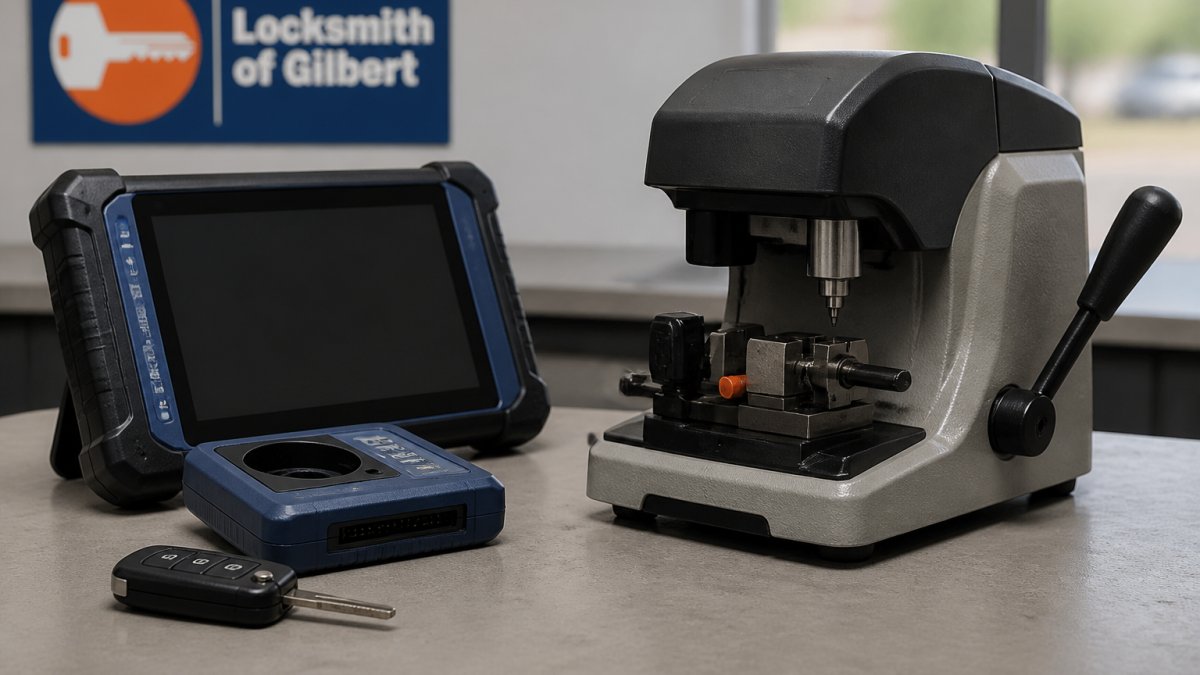
Locksmiths use universal and vehicle-specific programming tools that work across multiple manufacturers. Quality automotive locksmiths invest in equipment, offering flexibility and faster response times.
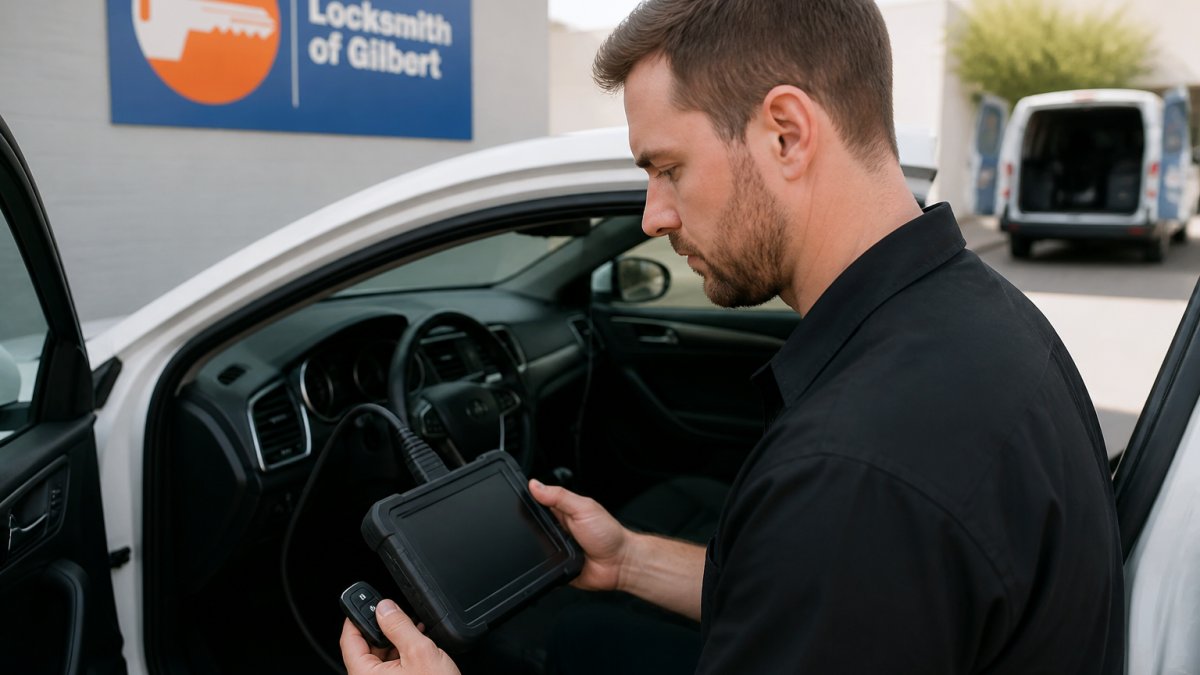
The key operational difference: dealerships are appointment-based, you book a slot and arrive at their facility. Mobile locksmiths come to you.
Service Availability and Convenience
Dealerships operate standard business hours, typically 8 AM to 6 PM weekdays, with limited weekend availability. Outside those windows, you're out of luck unless they offer premium after-hours service.
Mobile locksmiths work around the clock: you call, describe the situation, and a technician arrives within hours, sometimes minutes, with no time off work required.
The technician comes to your home, office, or roadside location, saving busy professionals and families hours in a dealership waiting room.
Warranty and Guarantee Coverage
Dealerships typically offer a manufacturer's warranty on the key and programming work, with recourse through the service department if something goes wrong.
Reputable locksmiths stand behind their work with service guarantees, troubleshooting and correcting issues at no additional charge. The guarantee may be less formal, but professional locksmiths rely on reputation and repeat business.
Choose based on what matters most: a manufacturer-backed warranty or the convenience of mobile, 24/7 service with a local professional.
Transponder Key Programming Time: What to Expect
How long does transponder key programming actually take? The answer depends on the complexity of your vehicle and the service provider.
At a dealership, expect 2 to 4 hours from arrival to completion, including check-in, diagnostics, programming, and testing.
The programming itself is fast, modern diagnostic tools handle the immobilizer in minutes. The time investment comes from diagnostics, key cutting, and verification.
For all-keys-lost scenarios, both dealerships and locksmiths may need additional time to reprogram the vehicle's immobilizer system. This is a security measure that prevents unauthorized access.
OEM vs. Aftermarket Car Keys: Which Should You Choose
The key you program matters as much as who programs it. OEM (original equipment manufacturer) keys and aftermarket keys serve different needs and budgets.
OEM keys are produced by the vehicle manufacturer or their authorized suppliers and meet exact specifications for your vehicle's year, make, and model. They guarantee compatibility and often come with a manufacturer's warranty. The tradeoff is cost, OEM keys are typically the most expensive option.
Aftermarket keys are produced by third-party manufacturers. They're designed to meet the same functional specifications as OEM keys but cost significantly less. Quality varies: some are reliable and durable; others cut corners.
Compatibility and Vehicle-Specific Constraints
Not all keys work with all vehicles. Your car's immobilizer system is programmed to recognize specific key signatures. An incompatible key won't start your engine, even if it's cut correctly and physically fits the ignition.
Vehicle-specific programming constraints mean your locksmith or dealership must verify the key is compatible with your vehicle.
Newer vehicles often have stricter compatibility requirements. Luxury brands and recent model years may only accept keys from specific suppliers. Attempting to program an incompatible key wastes time and money.
Older vehicles typically offer more flexibility. A 2010 sedan might accept keys from multiple suppliers, giving you options and cost savings.
Can You Program the Key Yourself?
Before you buy a replacement key online, understand how your vehicle's programming works. There are three common levels:
- Onboard pairing - Some vehicles let you program a new key using a sequence of actions inside the car (for example, cycling the ignition and pressing buttons on the key). This is the only level a typical owner can do without special tools. Check your owner's manual for a "key programming" or "remote pairing" procedure. If the manual describes a do-it-yourself sequence, you may be able to program a spare yourself.
- Diagnostic-tool programming - Most modern vehicles require a professional diagnostic tool to access the immobilizer system and add or erase keys. These tools are expensive and often require subscriptions or security access codes. A qualified automotive locksmith or dealership has the equipment and access to perform this programming.
- Authorized-equipment-only programming - Some manufacturers restrict key programming to their franchised dealerships or to locksmiths who have purchased specific manufacturer-approved equipment and security access. For these vehicles, an independent locksmith may not be able to program a key at all, even if they have general diagnostic tools. This is common with certain luxury brands and the newest model years.
Safe Checks Before Buying a Replacement Key
- Check your owner's manual for any do-it-yourself programming instructions. If none exist, assume professional programming is required.
- Ask a locksmith whether they can program a key for your specific year, make, and model before you purchase a key from a third party. Some locksmiths will not program customer-supplied keys, or they may charge a higher labor fee if the key fails.
- Confirm the return policy on any key you buy online. If the key turns out to be incompatible or defective, you want the ability to return it.
- Verify proof of ownership requirements. Both dealerships and reputable locksmiths will ask for your vehicle registration and identification before programming a key. This is a security measure, not a red flag.
Locksmith Of Gilbert verifies compatibility before quoting any transponder key programming job. This prevents the frustration of paying for a key that won't work in your vehicle.
When to Choose a Locksmith Over the Dealership
The dealership is the default choice for many people, but several situations make a locksmith the smarter option.
You need service outside business hours. If you lose your keys at midnight or on a holiday, a locksmith is your only option.
You want to avoid dealership pricing. Dealership labor rates are often higher than locksmiths because of their overhead, certified technician requirements, and facility costs.
You're adding a spare key. If you still have a working original key, programming a spare is straightforward.
You've had a bad experience with dealership service. Some dealership service departments can be slow, impersonal, or unhelpful. A local locksmith can often provide attentive, personalized service.
Questions to Ask Before Booking Transponder Key Programming
"Can you verify that this key is compatible with my vehicle?" A professional should check compatibility before starting work.
"How long will this take?" Realistic time estimates help you plan your day.
"What's your guarantee if the key doesn't work?" Reputable service providers stand behind their work.
"What payment methods do you accept?" Confirm they accept your preferred payment method before the technician arrives.
"Are you licensed and insured?" Professional locksmiths carry liability insurance and maintain proper licensing.
"How quickly can you arrive?" Response time varies by location and workload.
Losing your car keys or needing a spare programmed doesn't have to mean a trip to the dealership.
Frequently Asked Questions
Is it cheaper to program a transponder key with a locksmith or a dealership?
Pricing depends on your vehicle's make, model, and year, as well as whether you need a key cut and programmed or just programming for an existing key. Dealerships typically charge higher labor rates and may require additional services. Locksmiths often provide competitive pricing and mobile service. For an accurate quote tailored to your situation, contact your preferred service provider directly.
Can an automotive locksmith program a transponder key?
Yes, automotive locksmiths can program transponder keys for most vehicles. They use specialized diagnostic equipment and programming tools to teach the vehicle's immobilizer to recognize the replacement key. However, some newer or luxury vehicles may have restrictions. A qualified locksmith can advise whether your specific vehicle's transponder key is programmable by a locksmith or requires dealership programming.
How long does transponder key programming take?
Transponder key programming time varies based on vehicle complexity, whether the key needs cutting first, and the service provider's equipment. Typical appointments range from 15 minutes to over an hour. Mobile locksmiths can complete the work on-site, eliminating travel time to a dealership. Call ahead to confirm the estimated timeframe for your vehicle and service type.
Should I choose an OEM key or an aftermarket key for my vehicle?
OEM keys are manufactured by your vehicle's maker and guarantee full compatibility and warranty coverage. Aftermarket keys cost less but may have compatibility limitations with certain vehicles or immobilizer systems. Your locksmith or dealership can advise which option works best for your make and model. Verify compatibility before purchasing to avoid programming issues.
What should I ask a locksmith before booking transponder key programming?
Ask about the locksmith's experience with your vehicle's make and model, whether they use OEM or aftermarket keys, the total cost (including key cutting and programming), estimated time on-site, and whether they offer mobile service. Request a quote and confirm they can verify ownership or proof of vehicle access before starting work.