 comparison
Rekeying Locks vs Replacing: Cost Comparison Guide
Table of Contents
- Rekeying Locks vs Replacing: What's the Difference?
- Cost of Rekeying Locks vs Replacing: Side-by-Side Comparison
- Pros and Cons of Rekeying Locks
- Pros and Cons of Replacing Locks
- How Long Does It Take to Rekey a House?
- When to Replace Door Hardware Instead of Rekeying
- Benefits of High-Security Locks for Your Property
- Which Option Is Right for You?
- Frequently Asked Questions
Last Updated: October 9, 2026
Rekeying Locks vs Replacing: What's the Difference?
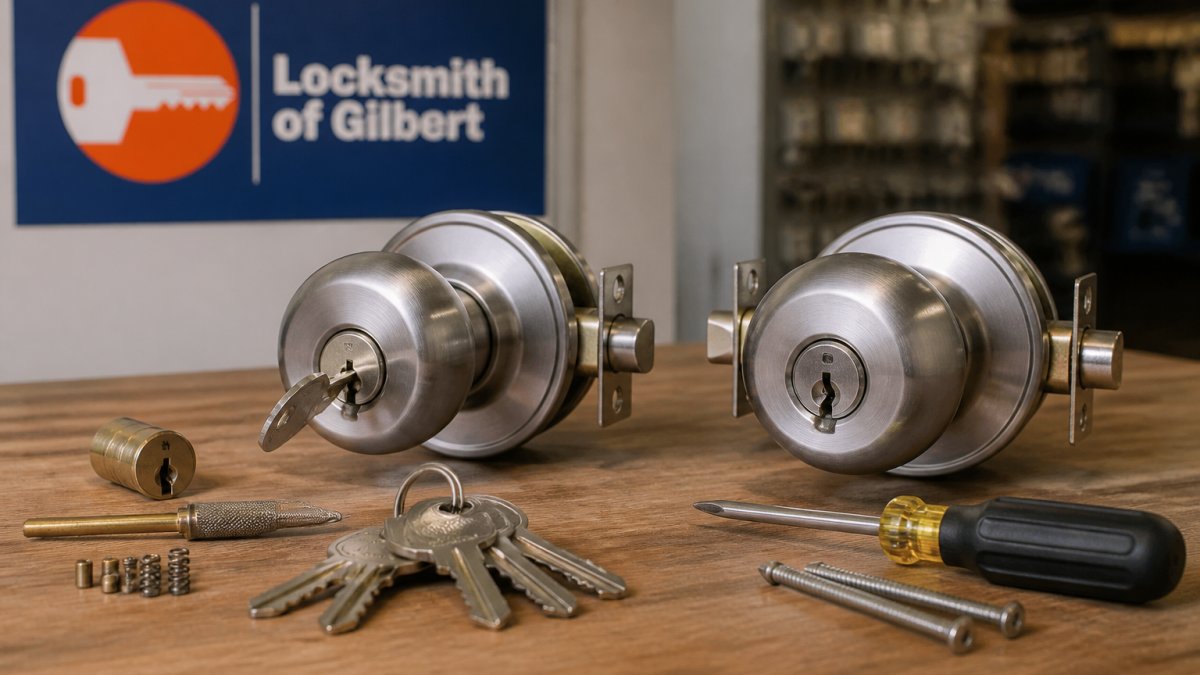
Rekeying locks is the process of changing the internal pins of an existing lock cylinder so it accepts a new key, while replacing means removing the old lock hardware entirely and installing a new lockset. The cost of rekeying locks vs replacing is the first question most property owners ask, and the answer usually comes down to what condition your current hardware is in.
At Locksmith Of Gilbert, we handle both every day across the eastern valley, and the honest answer is that rekeying wins in most situations. You keep hardware that already works, you shut out every old key, and you spend far less time on the job.
But that only holds if the hardware is worth keeping. If your locks are builder-grade, worn, or you want a real security upgrade, replacement earns its higher price.
Below, we break down what drives each cost, the pros and cons of both, and how to decide for your property.
Cost of Rekeying Locks vs Replacing: Side-by-Side Comparison
Rekeying costs less because you pay for labor and small parts, not new hardware. Replacement costs more because you buy the lockset itself plus installation time.
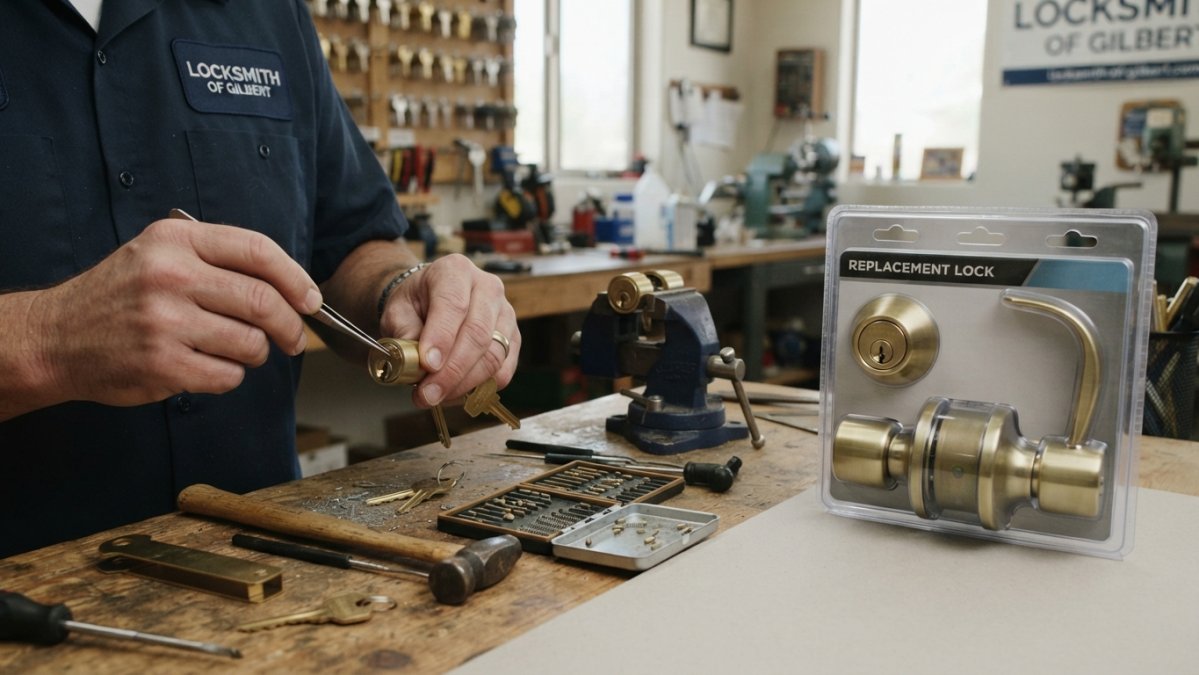
Here is how the two options stack up on the factors that actually move your bill.
| Factor | Rekeying | Replacing |
|---|---|---|
| What you pay for | Labor and pins | Hardware plus labor |
| Hardware cost | None, you keep yours | New lockset per door |
| Time per lock | Minutes | Longer, includes removal |
| Security level | Unchanged | Can upgrade grade |
| Best for | New tenants, lost keys | Worn or low-grade hardware |
Rekeying Costs: What Affects the Price
Three things move a rekeying quote: how many locks, the type of cylinder, and whether we travel to you. A single deadbolt takes minutes. A whole house with a dozen cylinders across multiple doors takes longer, and that labor adds up. Smart locks, high-security cylinders, and older mortise locks take more care than a standard Kwikset or Schlage knob. We quote per lock and confirm the scope before starting, so there are no surprises.
Replacement Costs: Hardware Plus Labor
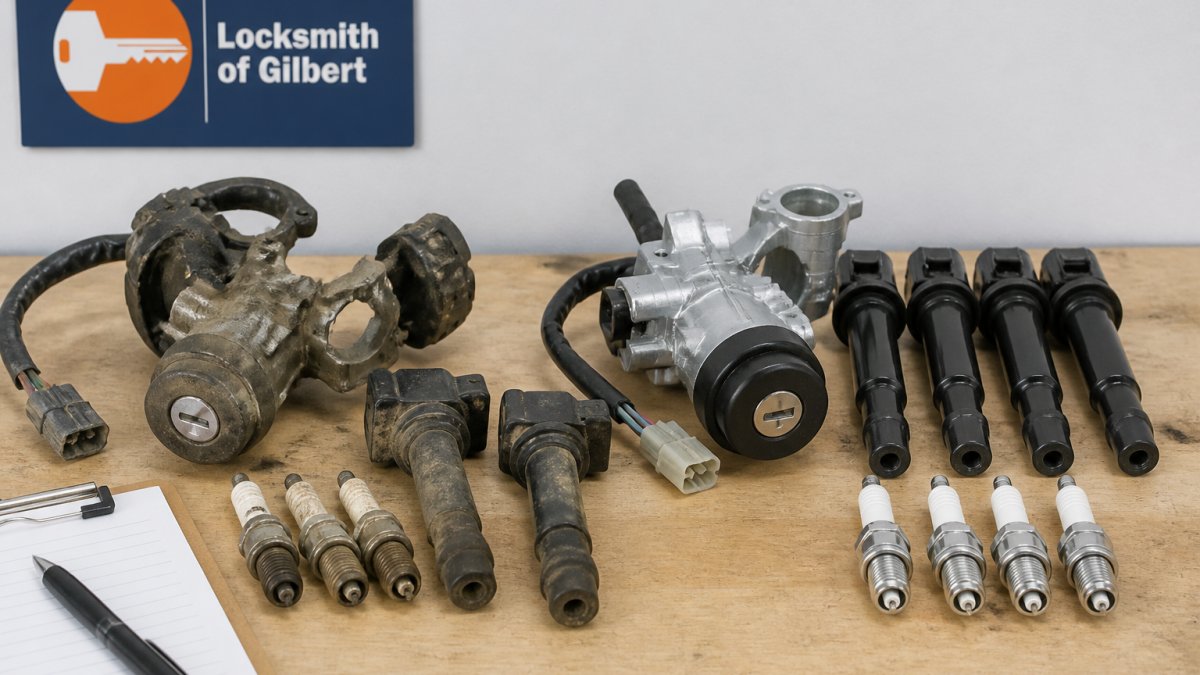
Replacement has two cost layers. First, the lockset itself, which varies widely by grade and finish. Second, the labor to remove the old hardware and fit the new. That second layer is where hidden costs live: a misaligned door, a stripped screw hole, or a non-standard bore can add time. If you are upgrading to a higher ANSI grade or a smart lock, expect the hardware line to carry most of the total.
Pros and Cons of Rekeying Locks
Rekeying is the fastest path to securing a property after a move, a lost key, or tenant turnover. It changes who can open the door without touching the hardware you already own.
Pros:
- Costs far less than a full replacement
- Keeps your existing hardware and finish
- Fast turnaround, often same visit
- Removes access for every old key holder
Cons:
- Does not raise the security grade of the lock
- Pointless if the cylinder is worn or damaged
- Not available for every exotic or discontinued lock
For a rental turnover or a set of lost keys, rekeying locks is almost always the right call. You get the security reset without paying for hardware you do not need.
Pros and Cons of Replacing Locks
Replacement is the answer when the hardware itself is the problem. You get new mechanical parts, a clean install, and the option to move up in security grade.
Pros:
- Full security upgrade with new technology
- Fixes worn, sticking, or damaged hardware
- Lets you change finish, style, or brand
- Professional install corrects alignment issues
Cons:
- Higher material and labor cost
- More time per door
- Overkill if your current locks are fine
How Long Does It Take to Rekey a House?
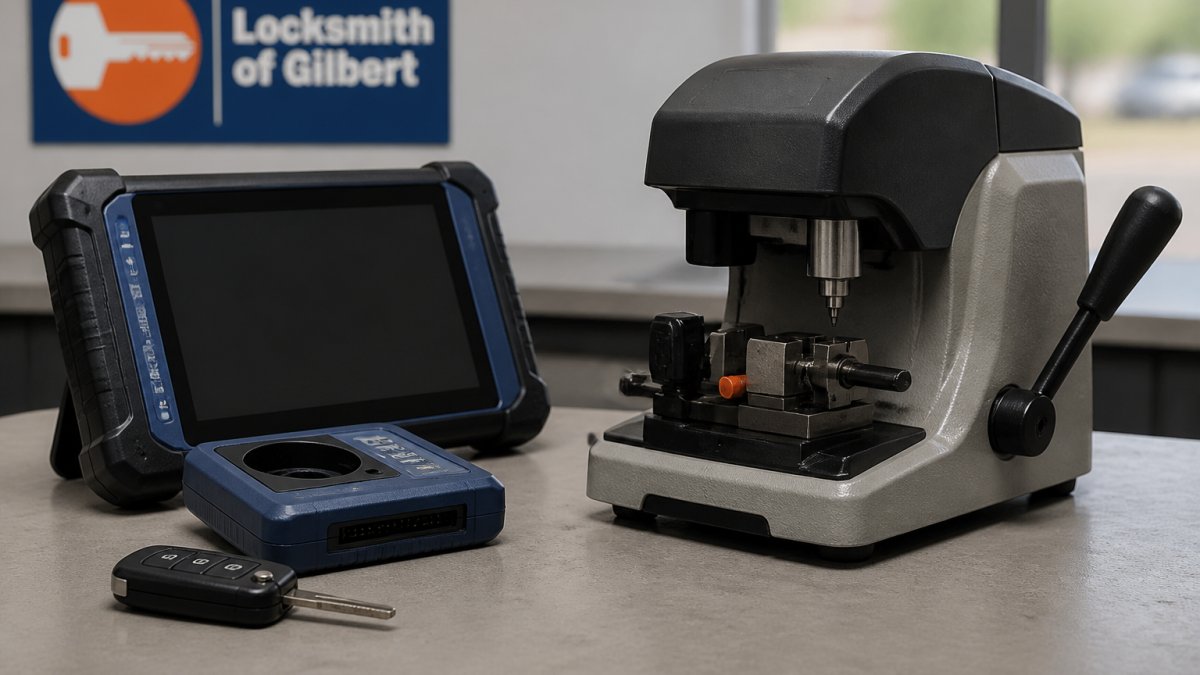
Rekeying a house typically takes 15 to 45 minutes for a standard home with a handful of exterior locks, and longer for larger properties or specialty cylinders. A single lock is a few minutes of bench work. A full house with several doors, plus a garage entry and a back slider, runs closer to an hour once we account for travel and testing every key.
The job is faster than replacement because nothing is removed. We pull the cylinder, swap the pins, and reinstall. If you have multiple properties or a commercial building with many doors, we can batch the work into one visit, which cuts the per-lock time considerably. For a multi-unit turnover, plan on a half day rather than an hour.
When to Replace Door Hardware Instead of Rekeying
Replace the hardware when rekeying cannot solve the underlying problem. Four situations call for it:
- The lock is worn, sticking, or failing to latch reliably
- You want a higher security grade than your current hardware offers
- The finish or style no longer matches your doors
- The cylinder is damaged, or the lock is discontinued and parts are unavailable
There is also a security argument. Builder-grade locks on a new construction home are the first thing we recommend upgrading, because rekeying them just resets a lock that was never strong to begin with. If you are already paying for a service visit, upgrading the hardware at the same time often makes more sense than rekeying twice.
Benefits of High-Security Locks for Your Property
High-security locks raise the bar on picking, bumping, and key duplication. They use restricted keyways, hardened components, and keys you cannot copy at a hardware store without authorization. That last point matters for commercial properties, where uncontrolled key duplication is a real liability.
The benefits of high-security locks go beyond the cylinder. You get better resistance to forced entry, tighter control over who can get a key cut, and, on commercial systems, the ability to build a master key hierarchy so staff open only the doors they should. For a business balancing residential, commercial, and automotive work, a master key system is often the single biggest security improvement per dollar.
Which Option Is Right for You?
Choose rekeying when your hardware is in good shape and you only need to change who holds a key. Choose replacement when the hardware is worn, damaged, or below the security level you want. That is the whole decision in two sentences.
For most homeowners after a move, a lost key, or a tenant turnover, rekeying locks is the practical choice: lower cost, faster, and it keeps hardware that still has years of life left. For a security upgrade, a failing lock, or a commercial property that needs a master key system, replacement pays off.
If you are not sure which side of the line your locks fall on, that is exactly what a quick assessment answers. We look at the cylinder, the grade, and the condition of the door, then tell you straight whether a rekey will hold or whether you are better off replacing.
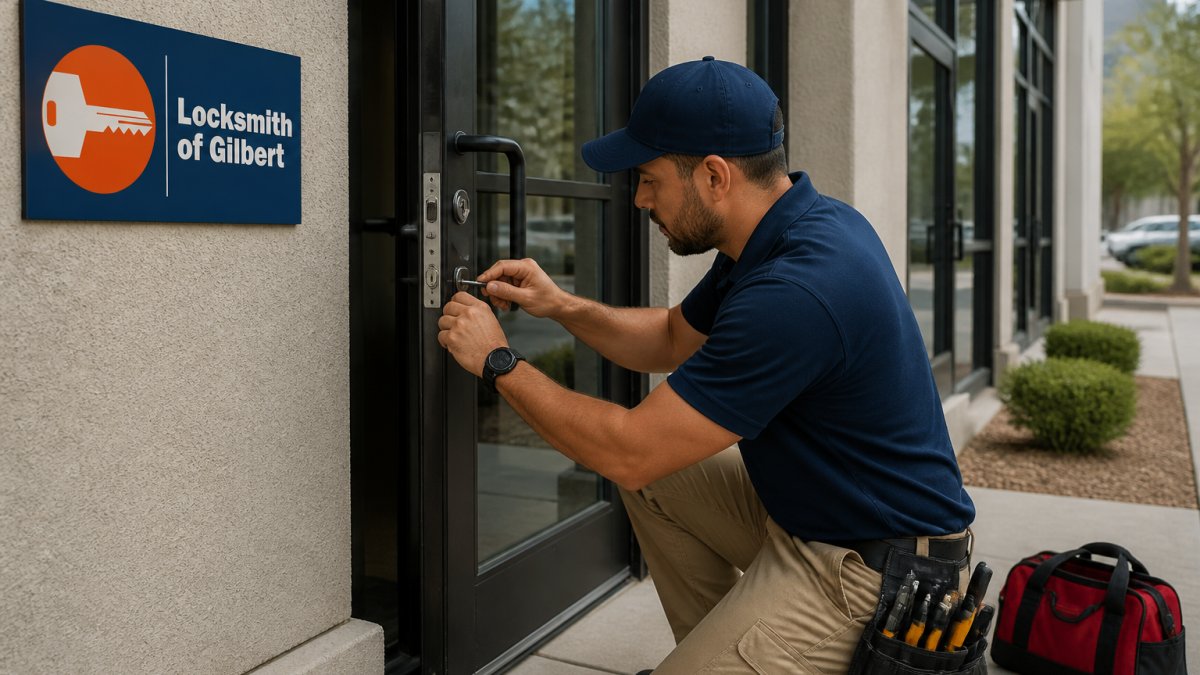
Not sure whether your locks need a rekey or a full replacement? Locksmith Of Gilbert provides 24/7 residential, commercial, and automotive locksmith service across the eastern valley, with professional rekeying, key replacement and duplication, and security upgrades handled by local technicians. We confirm the scope and quote before we start, and we accept many payment methods including digital wallets. Contact Us to schedule a rekey or a hardware assessment and get your property secured.
Frequently Asked Questions
Is it cheaper to rekey a lock or replace the entire handle?
Rekeying is almost always cheaper because you keep your existing hardware and only change the internal pins. Replacing the entire handle means buying new hardware plus paying for installation labor. Rekeying makes sense when your current locks work fine and you just need old keys to stop working. Replacement is better when the hardware is damaged, loose, or outdated.
How long does it take to rekey a house?
A single lock typically takes 10 to 15 minutes for a locksmith to rekey. A full house with three to five exterior doors usually takes 45 minutes to an hour and a half, depending on lock type and accessibility. If you have multiple properties or commercial units, scheduling a block of time keeps the process efficient and avoids repeat trip charges.
When is it necessary to replace a lock instead of rekeying it?
Replace the lock when the hardware is damaged, worn out, or failing. Signs include a key that sticks, a cylinder that turns loosely, visible rust or cracks, or a lock that no longer latches properly. If you want to upgrade to high-security locks or change the finish and style, replacement is the right call. Rekeying only changes who has access, not the lock's condition.
Does rekeying provide the same level of security as a new lock?
Rekeying restores access control by making old keys useless, but it does not upgrade the lock's security rating. If your current lock is a basic builder-grade model, rekeying keeps that same level of protection. For stronger resistance to picking, bumping, and forced entry, replacing with high-security locks gives you better hardware and new keys at the same time.
Can all types of locks be rekeyed?
Most standard pin-tumbler locks found on homes and businesses can be rekeyed, including deadbolts, knob locks, and lever handles. Some smart locks, high-security brands with restricted keyways, and certain antique or specialty locks cannot be rekeyed by a standard locksmith. A professional can confirm whether your specific lock is rekeyable during an on-site assessment.