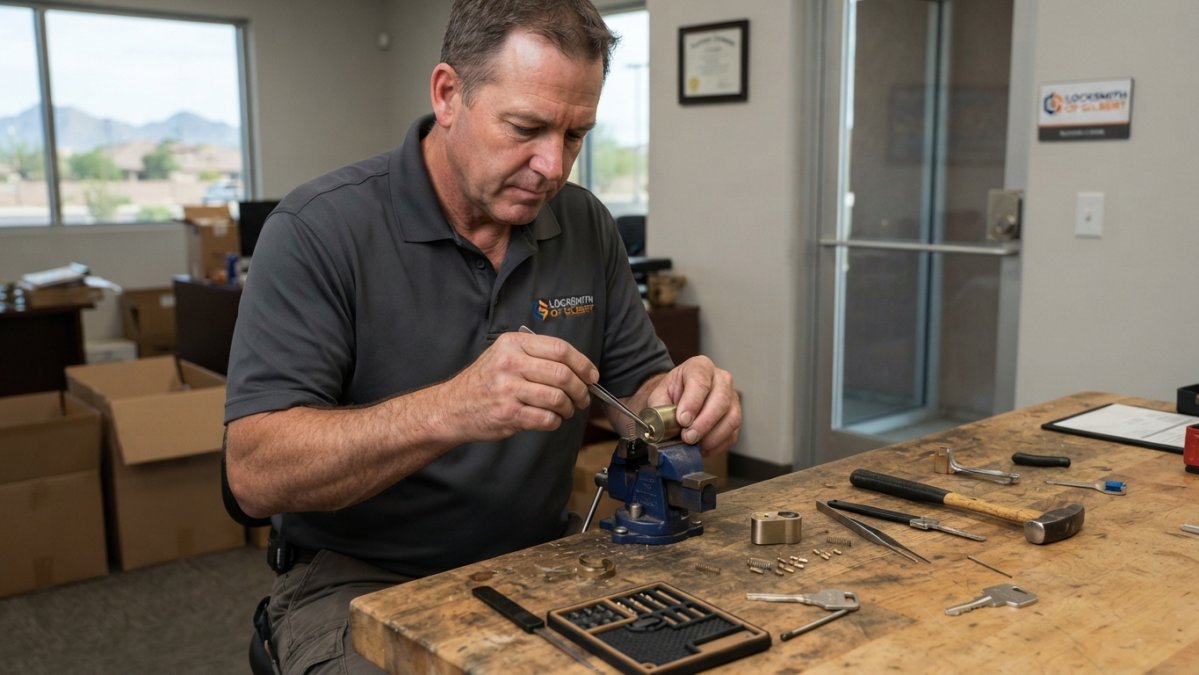
 how-to
Rekey House Locks After Moving: A Complete Guide
Table of Contents
- Why You Should Rekey House Locks After Moving
- Rekeying vs Replacing Deadbolts: Which Option Fits Your Needs
- How Rekeying Works: Understanding the Lock Mechanism
- How Long Does It Take to Rekey a House
- Best Practices for Residential Deadbolt Installation and Rekeying
- Can You Rekey Locks Yourself or Should You Hire a Professional
- Matching Multiple Locks to One Key and Master Key Systems
- Frequently Asked Questions
Last Updated: September 30, 2026
Why You Should Rekey House Locks After Moving
When you move into a new home, strangers may have copies of your keys, which is why you should rekey house locks to secure your property. Previous owners, real estate agents, contractors, and service workers could all have access. Rekeying house locks after moving is one of the simplest ways to secure your property and regain complete control over who enters your home.
When you rekey a lock, you change the internal pins so old keys no longer work. Only your new key will open the door. This can be a practical choice for most homeowners.
At Locksmith Of Gilbert, we help homeowners protect their properties with professional rekeying services. Whether you've just purchased a home or moved into a rental, rekeying eliminates the uncertainty of unknown key holders.
The stakes are real. A single old key in the wrong hands creates a security gap you can't see or control. Rekeying closes that gap in hours, not weeks.
Rekeying vs Replacing Deadbolts: Which Option Fits Your Needs
Rekeying changes the internal pins inside your existing lock. Your old keys stop working. New keys open the door. The lock hardware stays the same.
Replacing means installing a brand new deadbolt and hardware. You get a completely fresh lock with modern features.
When Rekeying Makes Sense
Rekeying works best when your current locks are in good condition. If the deadbolts function smoothly and you like the hardware, rekeying saves money. You keep what works and simply change who has access.
This approach is ideal after moving, when employee turnover happens, or when you lose a key. Rekeying is typically efficient.
When Replacement Makes Sense
Replace locks if they're damaged, worn out, or you want to upgrade security features. Smart locks, keyless entry, and reinforced deadbolts all require new hardware.
Replacement also makes sense if you want matching locks throughout your home or if your current locks are outdated. A locksmith can install new deadbolts that match your style and security needs.
| Approach | Best For | Time Required | When to Choose |
|---|---|---|---|
| Rekeying | Functional locks, budget-conscious | 30-60 minutes per lock | After moving, key loss, tenant changes |
| Replacement | Damaged locks, security upgrades, smart locks | 1-2 hours per lock | Worn hardware, modern features needed |
How Rekeying Works: Understanding the Lock Mechanism
A deadbolt lock contains a cylinder with five to six small pins and springs inside. Each pin sits at a specific height. When you insert the correct key, the pins align perfectly and the lock opens. The wrong key leaves pins misaligned and the lock stays secure.
Rekeying changes the height of those pins. A locksmith removes the cylinder, takes out the old pins, and installs new ones that match your new key. The lock housing stays in place. Only the internal mechanism changes.
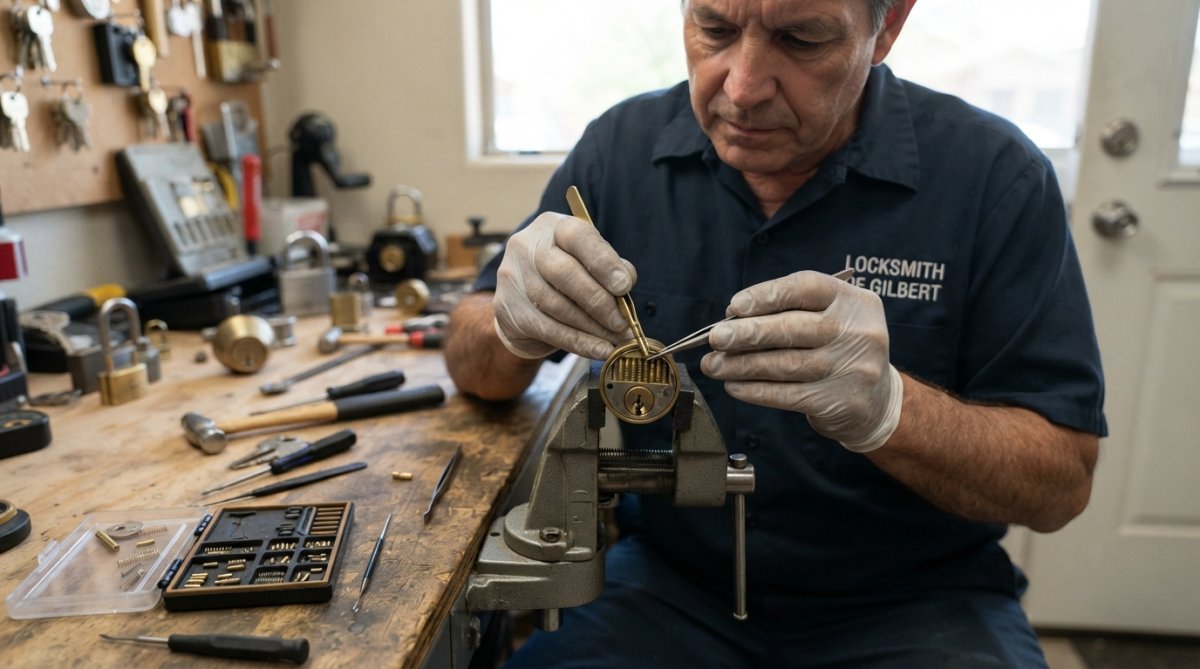
Here's the step-by-step process:
- Remove the cylinder - The locksmith unscrews the lock from the door
- Extract the plug - The rotating part inside comes out
- Remove old pins - Springs and pins are carefully taken out
- Install new pins - Pins matching your new key height are inserted
- Reassemble - The cylinder goes back together and reinstalls
- Test the key - The locksmith verifies your new key works smoothly
The entire process takes 30-60 minutes per lock. Multiple locks on the same door (deadbolt plus knob lock) can be rekeyed to work with one key, giving you convenience and consistency.
How Long Does It Take to Rekey a House
Most residential rekeying jobs take between 1-3 hours depending on how many locks need work.
A single exterior deadbolt takes 30-45 minutes. If you're rekeying your front door, back door, and garage entry, plan on 2-3 hours total. Interior locks take less time if you choose to rekey them.
Factors that affect timing:
- Number of locks being rekeyed
- Lock condition and age
- Whether locks need cleaning or maintenance
- If you want matching keys for multiple locks
- Access to the locks (some doors require furniture to be moved)
Professional locksmiths work efficiently because they have the right tools and experience.
Locksmith Of Gilbert completes most residential rekeying jobs the same day you call.
Best Practices for Residential Deadbolt Installation and Rekeying
Start with quality hardware. Not all deadbolts offer the same security. Look for deadbolts with a reinforced strike plate and a bolt that extends at least one inch into the door frame. ANSI Grade 1 deadbolts meet a high residential security standard.
Conduct a comprehensive entry-point audit. Most homeowners focus only on the front door, but burglars test every entry. Create a checklist of all exterior access points:
- Front door deadbolt
- Back door deadbolt
- Garage side entry door
- Sliding glass door locks
- Basement or cellar doors
- Patio door locks
- Garage overhead door opener (if keypad-controlled)
- Any secondary exterior doors
Each of these should be rekeyed or replaced during your move-in security setup.
Use one key for multiple locks (keying alike). Rekeying lets you match multiple deadbolts to a single key. This simplifies your life and reduces the number of keys you carry. For residential properties, keying alike typically covers 2-5 exterior locks.
Evaluate commercial-grade locks for high-traffic residential properties. If you own a multi-unit residential building, vacation rental, or property with frequent contractor access, commercial-grade locks and master key systems offer better control than standard residential rekeying.
Keep spare keys secure. After rekeying, don't hide spare keys under doormats or above door frames. Use a locked box, give copies to trusted family, or store them in a safe. For properties with multiple occupants or contractors, maintain a key log documenting who holds which keys and when they were issued.
Test all keys before the locksmith leaves. Make sure your new keys work smoothly in every lock. A key that sticks or requires force indicates a problem that needs fixing on the spot. Test the key multiple times in each lock to ensure consistent operation.
Document your lock system. Write down which locks match which keys, the date of rekeying, and the locksmith who performed the work. If you ever need to rekey again, this information saves time and money. For rental properties or multi-unit buildings, maintain a master key inventory and access log.
Consider a master key system for rental properties and multi-unit residential buildings. If you own multiple units or manage a property with frequent turnover, a master key system lets one key open all properties while individual tenant keys only open their own doors. This simplifies management, maintenance access, and emergency entry without requiring tenants to hold master keys. Master key systems are particularly valuable for property managers handling maintenance across several buildings, as they eliminate the need to carry dozens of individual keys while maintaining tenant privacy and security.
Can You Rekey Locks Yourself or Should You Hire a Professional
DIY rekeying is possible but carries significant risk.
Rekeying kits exist and cost less than hiring a locksmith, typically $10-$30 per lock. They include replacement pins and instructions. However, the process demands precision. Pins must be cut to exact heights. Springs must be properly seated. One mistake and the lock won't function.
Common DIY problems include:
- Pins that don't align properly, leaving the lock stuck or inoperable
- Springs that don't seat correctly, causing the key to get stuck or turn inconsistently
- Reassembly errors that damage the lock permanently, requiring full replacement
- Keys that work inconsistently or only partially, creating security gaps
- Cylinder damage that makes the lock unusable and voids any warranty
If the lock fails after a DIY attempt, you're locked out of your own home. Additionally, a failed DIY rekey may void the lock manufacturer's warranty, leaving you responsible for replacement costs.
Professional rekeying is the safer and often more economical choice.
A locksmith has specialized tools (including pin cutters, plug followers, and tension wrenches), training, and experience. They work quickly and guarantee the job. If something goes wrong, they fix it immediately at no additional charge.
Professional rekeying pricing depends on lock type and location. Many locksmiths offer discounts for rekeying multiple locks on the same visit.
Commercial and multi-unit properties require professional rekeying.
Matching Multiple Locks to One Key and Master Key Systems
Rekeying lets you match multiple deadbolts to work with a single key. This is called keying alike. Instead of carrying three keys for three doors, you carry one.
How keying alike works:
This works for:
- Front door and back door
- Garage entry and side door
- Multiple units in a rental property
- Commercial spaces with multiple entry points
Master key systems go further.
- Landlords managing multiple rental units
- Business owners needing employee access control
- Property managers handling maintenance across several buildings
- Families wanting one key for parents but individual keys for teenagers
Frequently Asked Questions
Should you change locks after moving into a new house?
Yes. When you move into a home, you don't know how many copies of the keys exist or who may have access. Previous owners, contractors, and service providers may still hold duplicates. Rekeying house locks ensures only you and people you trust have working keys. This is one of the most important security steps you can take immediately after moving in to prevent unauthorized access.
Is it cheaper to rekey locks or replace them entirely?
Rekeying involves changing the internal pins and springs so your old keys no longer work, while replacement means installing brand-new hardware. The cost depends on the number of locks, lock type, and whether you hire a professional.
How long does it take a professional to rekey a house?
Professional rekeying typically takes 30 minutes to 2 hours depending on how many locks you need rekeyed, the lock types, and the condition of existing hardware. The locksmith will assess your locks on arrival to give you a more accurate timeframe.
Can you rekey locks yourself or do you need a professional locksmith?
DIY rekeying is possible if you purchase a rekeying kit and have basic mechanical skills, but it requires patience and precision. You'll need to remove the cylinder, manipulate small pins and springs, and reassemble everything correctly. Many homeowners find this frustrating or make mistakes that leave locks non-functional. Hiring a professional locksmith can be a reliable choice, especially when rekeying multiple locks throughout your home.