 how-to
Mobile Locksmith Travel Fee Explained: 2026 Guide
Table of Contents
- What a Mobile Locksmith Travel Fee Actually Covers
- Locksmith Equipment and Overhead Costs Behind Every Van
- Locksmith Service Call Fee Breakdown: Where Your Money Goes
- Emergency Locksmith 24 Hour Service and Why After-Hours Costs More
- Travel Distance, Geographic Variance, and Your Final Bill
- How to Spot a Locksmith Scam Before You Hand Over Payment
- Insurance and Liability: What a Legitimate Mobile Locksmith Carries
- Frequently Asked Questions
Last Updated: October 13, 2026
What a Mobile Locksmith Travel Fee Actually Covers
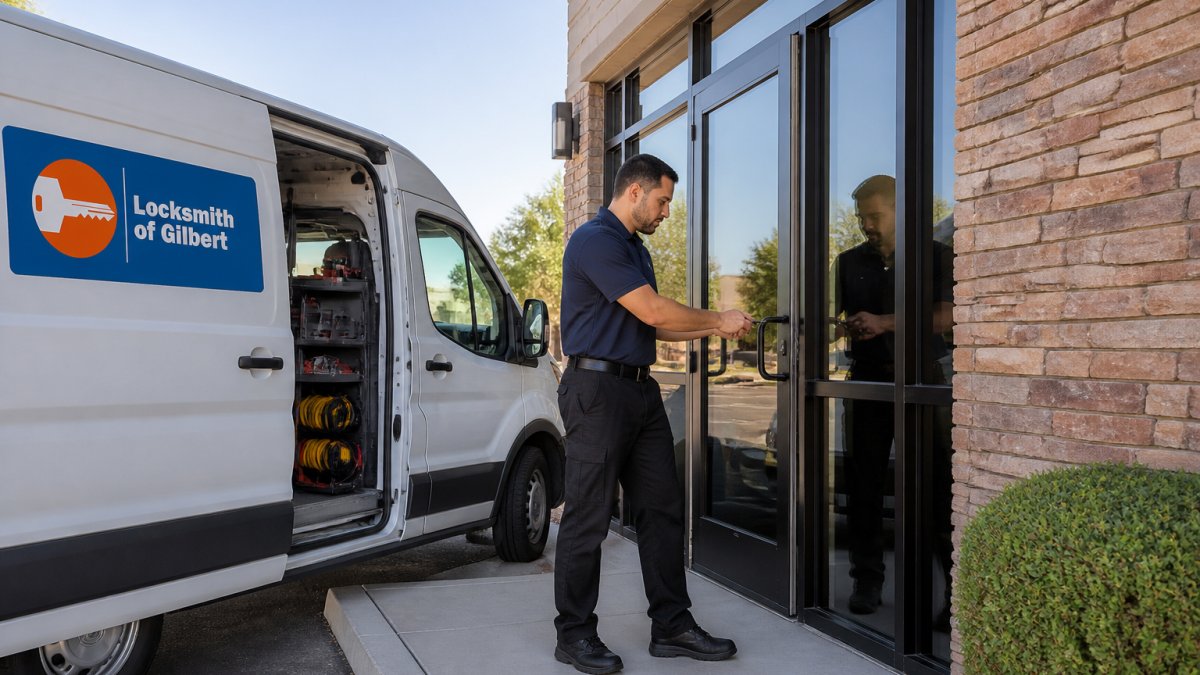
A mobile locksmith travel fee covers the cost of getting a fully equipped service van and a trained technician from our shop to your door.
This guide from Locksmith Of Gilbert breaks down where that money goes, because most customers never see the behind-the-scenes costs.
The core idea: you are not just paying for a locksmith to show up. You are paying to bring a rolling workshop to your driveway.
That workshop has to be stocked, insured, and maintained every single day.
Why a Shop Can't Do This Work
Locks are attached to buildings and cars. They do not come to us.
Nobody can bring the lock to a storefront and wait, so the storefront has to come to you. Every job starts with a drive, and that drive costs money before a single tool touches your lock. A shop-based business can skip this. A mobile locksmith cannot.
What the Fee Does Not Cover
The travel fee is one line item, not the whole bill.
It does not cover labor for opening your lock, cutting a new key, or replacing hardware, and it does not cover parts like a new cylinder, key blank, or transponder chip.
Locksmith Equipment and Overhead Costs Behind Every Van
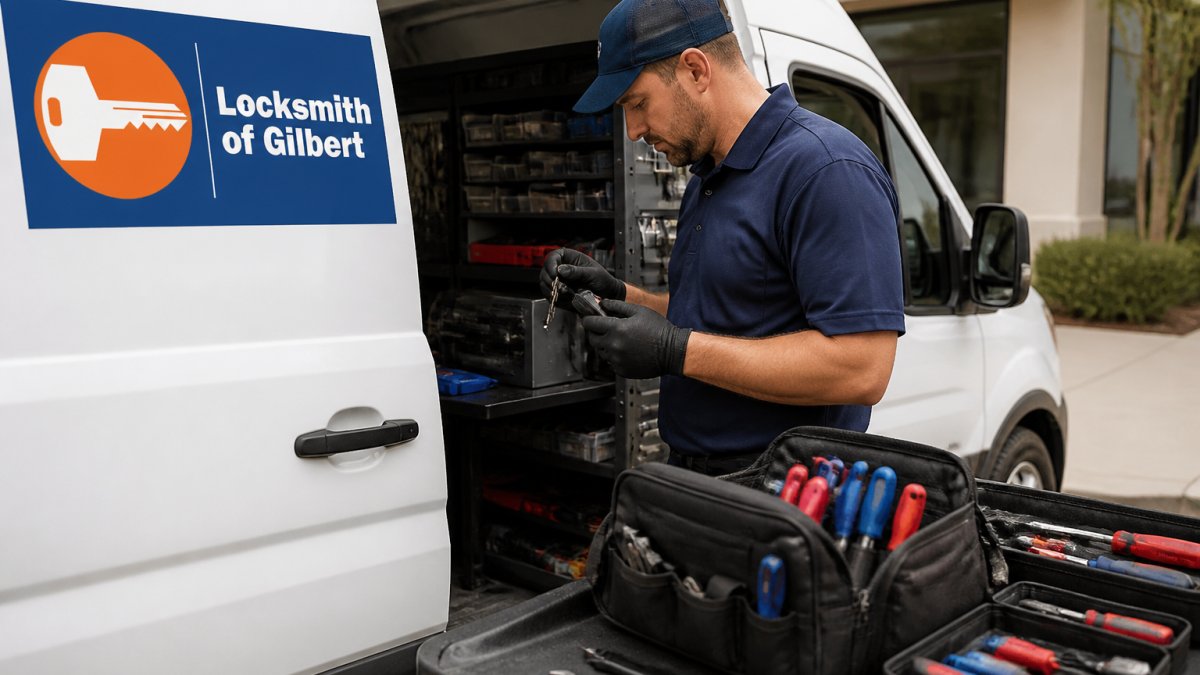
Every service van is a small business on wheels, and keeping it ready costs real money every month. The van has to carry tools for homes, businesses, and cars all at once.
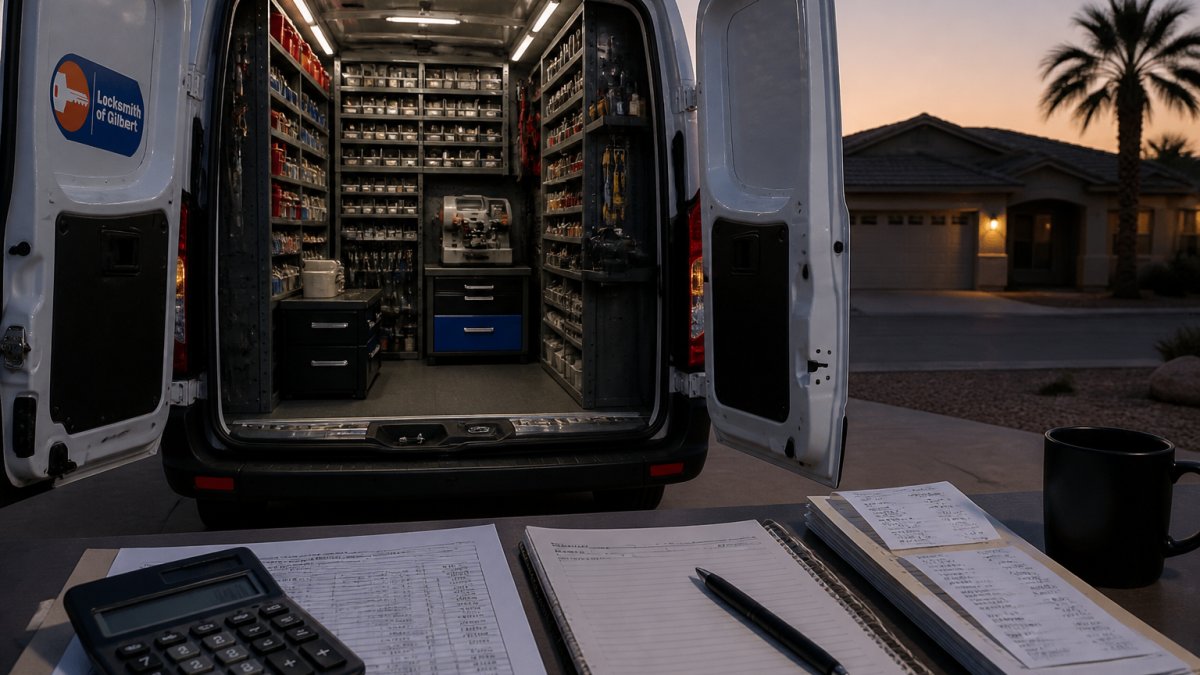
Here is what rides along on a typical call:
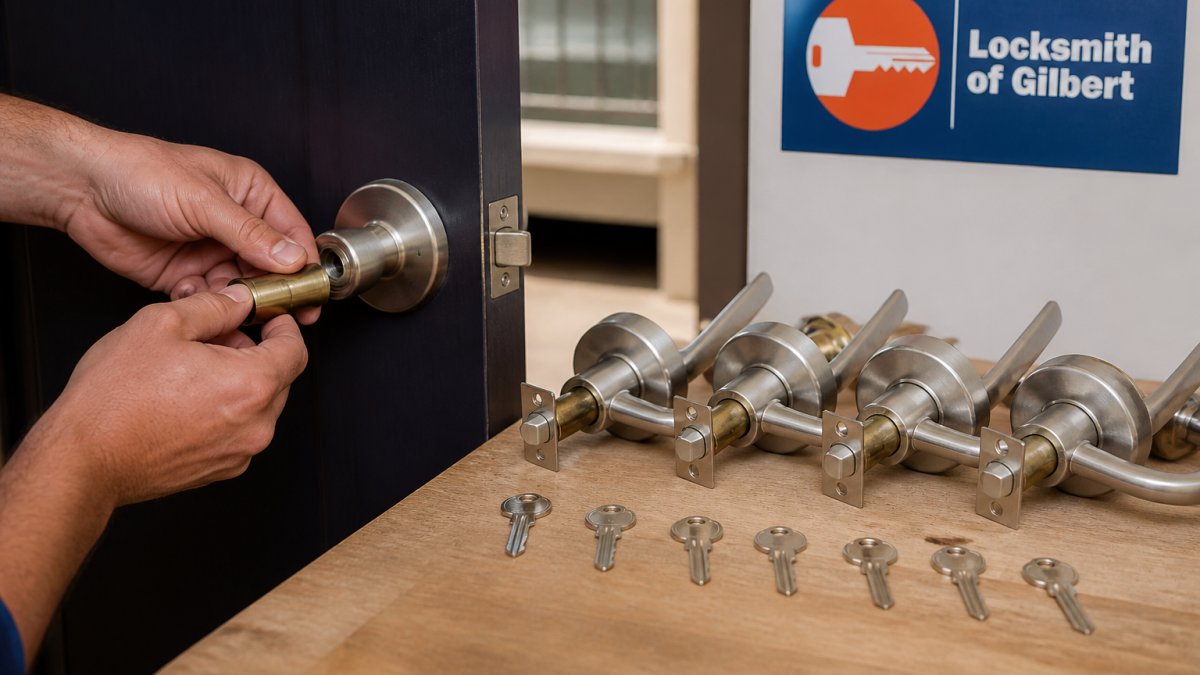
- Key cutting machine and hundreds of key blanks
- Lock cylinders, deadbolts, and knob sets
- Picks, tension tools, and extractors
Now add the costs most people never think about:
- Fuel. A van that idles and drives all day burns gas fast.
- Wear and tear. Brakes, tires, and transmissions wear out quicker on constant stop-and-go routes.
- Maintenance. Oil changes, tune-ups, and repairs happen on a schedule, not when it is convenient.
Every one of those costs shows up whether the van makes one call that day or ten.
Locksmith Service Call Fee Breakdown: Where Your Money Goes
A locksmith service call fee is the base charge for sending a technician to your location, and it usually bundles several costs into one number. The travel fee is often part of it, or listed right next to it.
Here is how a fair bill tends to break down:
| Charge | What It Pays For | When It Applies |
|---|---|---|
| Trip charge | Fuel, drive time, and vehicle wear to reach you | Every mobile call |
| Dispatch fee | Scheduling, routing, and sending the tech | Booked service calls |
| Labor | Time spent on the actual lock work | Based on the job |
| Parts | Key blanks, cylinders, hardware | When replaced |
| After-hours fee | Evening, weekend, holiday work | Outside normal hours |
Some companies call the first two a "service call fee." Others split them. The label matters less than the total.
Why the Trip Charge Exists at All
Most customers assume the trip charge is pure profit. It is not. It is the only line on the invoice that pays for the vehicle itself.
- Fuel. A loaded service van gets poor mileage. Stop-and-go city routes and idling during a job burn gas whether the tech is working or waiting.
- Wear and tear. Every call adds miles to brakes, tires, suspension, and transmission. A van that runs ten calls a day wears out years faster than a personal vehicle doing the same mileage.
- Maintenance. Oil changes, brake jobs, tire rotations, and unexpected repairs happen on a schedule set by mileage, not convenience. A van out of service is a van not earning.
- Insurance. Commercial auto and general liability coverage cost far more than a personal policy because the vehicle carries expensive tools and a technician who enters other people's property.
None of those costs pause when business is slow. The trip charge spreads that fixed cost across the jobs the van actually runs.
What Commercial Clients Should Ask About
If you manage a property, a fleet, or a retail location, the service call fee conversation is different from a homeowner's. You are not buying one lockout. You are buying a relationship with a vendor who can respond to a master key system failure, a broken storefront lock, or a fleet vehicle ignition issue without sending three different companies.
- Does the trip charge change based on time of day or day of week?
- Is there a minimum labor block, and how is it measured?
- Are multiple locks at one address billed as one trip or several?
- Do you offer scheduled maintenance visits that waive or reduce the trip charge?
A locksmith who works with commercial accounts regularly will have clear answers. A residential-only operator often will not.
The Fee Breakdown Transparency Checklist
Ask these questions before you agree to anything. A legitimate locksmith will answer all of them without hesitation.
- Is there a separate trip or travel charge?
- What does the service call fee include?
- Is labor billed flat rate or hourly?
- Are parts quoted separately?
Emergency Locksmith 24 Hour Service and Why After-Hours Costs More
Emergency locksmith 24 hour service costs more because someone has to be on call at 2 a.m. and gets paid to wait, even when no calls come in.
A daytime shop can schedule jobs back to back. A 24-hour operation keeps a technician ready around the clock, plus a dispatcher to answer the phone. That readiness has a price:
- Staff are paid to be available, not just to work
- Fewer calls means each one carries more of the fixed cost
- Holiday and weekend premiums are standard in service work
- The tech may be driving farther when the nearest crew is off shift
So when you call at midnight, you are paying for a system built to answer at midnight.
At Locksmith Of Gilbert, our team runs 24/7 because lockouts do not wait for business hours. We would rather be ready than make you wait until morning.
Travel Distance, Geographic Variance, and Your Final Bill
Travel distance is one of the biggest drivers of your final bill. A short drive across town costs less than a long haul to a rural address, and the reason is not just fuel. It is what the drive does to the van, the schedule, and the technician's available work hours.
What Actually Happens During a Long Drive
When a locksmith drives thirty minutes to reach you, several things happen at once:
- The van burns fuel for the entire round trip, not just the outbound leg.
- The technician is unavailable for other calls during that window, so the drive time has to be recovered somewhere.
- The vehicle accumulates miles that shorten the life of tires, brakes, and drivetrain components.
- If the job requires a second trip for a part, the entire cost structure repeats.
A short drive across a dense service area keeps all four costs low. A long drive to a remote address multiplies them. That is why rural and exurban calls often carry a higher minimum or a mileage-based trip charge.
Urban vs. Rural Logistics
The geography of your location changes the math in ways most customers never consider.
How Commercial Accounts Change the Equation
For a business, the travel fee conversation should be about predictability, not just price. A retail chain, property manager, or fleet operator does not want to negotiate a trip charge every time a lock fails.
Here is what a commercial service agreement typically addresses:
- A fixed or capped trip charge for the service area
- Priority dispatch for after-hours emergencies
- Scheduled preventive maintenance visits that reduce emergency calls
- Volume pricing for multi-site accounts
A locksmith who runs a fully equipped mobile unit is set up to serve commercial accounts because the van already carries tools for master key systems, storefront hardware, panic bars, and fleet vehicle locks.
How to Spot a Locksmith Scam Before You Hand Over Payment
Locksmith scams follow a pattern, and once you know it, they are easy to spot. Scammers rely on you being stressed, locked out, and in a hurry.
Watch for these warning signs:
- No business name, address, or license on the van
- A quote that sounds far below everyone else
- A price that jumps once the lock is open
- Cash-only demands with no receipt
A real company will give you a name, a number, and a total up front.
The Federal Trade Commission consumer advice on avoiding scams recommends getting a quote in writing and never paying in full before the work is done.
Insurance and Liability: What a Legitimate Mobile Locksmith Carries
Insurance and liability coverage separate a real business from a person with a van and a toolbox.
A proper locksmith operation carries commercial auto insurance and general liability coverage.
Why this matters to you:
- If a tech damages your door or lock, liability coverage responds
- If the van is in an accident, commercial auto handles it
- Uninsured operators leave you with no recourse
Ask any locksmith you hire whether they are insured. A legitimate one will say yes and mean it.
Getting locked out is stressful enough without wondering whether the person you called is legitimate.
Frequently Asked Questions
Why do locksmiths charge a service call fee?
A service call fee covers the cost of getting a fully equipped van and technician to your location. That includes fuel, vehicle maintenance, insurance, tools, and the technician's time in transit. Unlike a shop visit, a mobile locksmith brings the entire workshop to you. The fee is separate from the labor and hardware costs of the actual job, which is why a quote should always list both.
What is included in a mobile locksmith's travel fee?
A travel fee typically covers fuel, wear and tear on the service vehicle, and the technician's drive time to your address. It does not cover the lock work itself, replacement parts, or key programming. When you request a quote, ask the dispatcher to confirm whether the travel fee is flat or calculated per mile, and whether it changes for addresses outside the primary service area.
Does the travel fee cover the actual locksmith work?
No. The travel fee only pays for getting the technician and equipment to your door. Labor, hardware, and any specialized services like key programming or cylinder rekeying are billed separately. A transparent locksmith will state this upfront so there are no surprises. If a quote lumps everything into one number without explaining the parts, ask for an itemized breakdown before agreeing to the job.
Why are mobile locksmith services more expensive than shop visits?
A shop has one location, one set of utilities, and customers come to it. A mobile locksmith operates a fleet of vans, each carrying thousands of dollars in tools and inventory, and drives to every job. Fuel, insurance, maintenance, and the technician's travel time all add up. That overhead is real, and it is why mobile service costs more than walking into a fixed storefront.